
Trees are integral to our environment, providing ecological balance, aesthetic appeal, and even economic benefits. However, they require specialized care to thrive, and neglect can lead to structural damage, safety hazards, and disease spread. This practical guide explores the crucial role of arborist services in tree preservation. We examine safety standards set by organizations like the International Society of Arboriculture (ISA) and Occupational Safety and Health Administration (OSHA), best practices for tree care, and the positive impact on communities. By understanding these aspects, property owners, managers, and urban planners can ensure the longevity and health of trees, enhancing both the beauty and functionality of our living spaces.
- Understanding Tree Preservation: Essential Practices for Health and Safety
- The Role of Arborist Services: Expert Care for Every Scenario
- Practical guide to Tree Maintenance: Longevity and Property Protection
Understanding Tree Preservation: Essential Practices for Health and Safety

Tree preservation is a critical component of responsible property management and urban planning. It involves a holistic approach to maintaining the health, safety, and aesthetic value of trees while ensuring they align with human development. Professional arborist services play a pivotal role in this process, offering specialized knowledge and expertise to preserve these vital natural resources.
At the core of tree preservation are practices that prioritize safety and compliance. Arborist services adhere to stringent industry standards set by organizations like the International Society of Arboriculture (ISA) and the Occupational Safety and Health Administration (OSHA). These standards guide everything from equipment maintenance to worker training, ensuring that tree care is conducted with the utmost care and minimal risk. Proper pruning techniques, as outlined by the National Arborist Association (NAA) and Urban Forestry Associations, not only maintain tree health but also mitigate hazards associated with overhanging branches or structural weaknesses.
Implementing tree preservation strategies requires a multi-faceted approach. In residential landscaping design, services can integrate trees into the overall garden plan, selecting species suitable for the site conditions and ensuring they grow safely near buildings and infrastructure. Tree pruning safety tips, carefully executed by trained arborists, are essential for maintaining the structural integrity of mature trees and preventing damage to surrounding areas. Arborists can assess potential environmental impacts, collaborating with local plant pathology labs and community gardens to protect both urban ecosystems and public health.
By embracing professional tree care and integrating these essential practices, property owners and managers can foster a thriving urban forest while safeguarding both the environment and the community. For tailored guidance and expert care, visit us at local tree experts anytime.
The Role of Arborist Services: Expert Care for Every Scenario
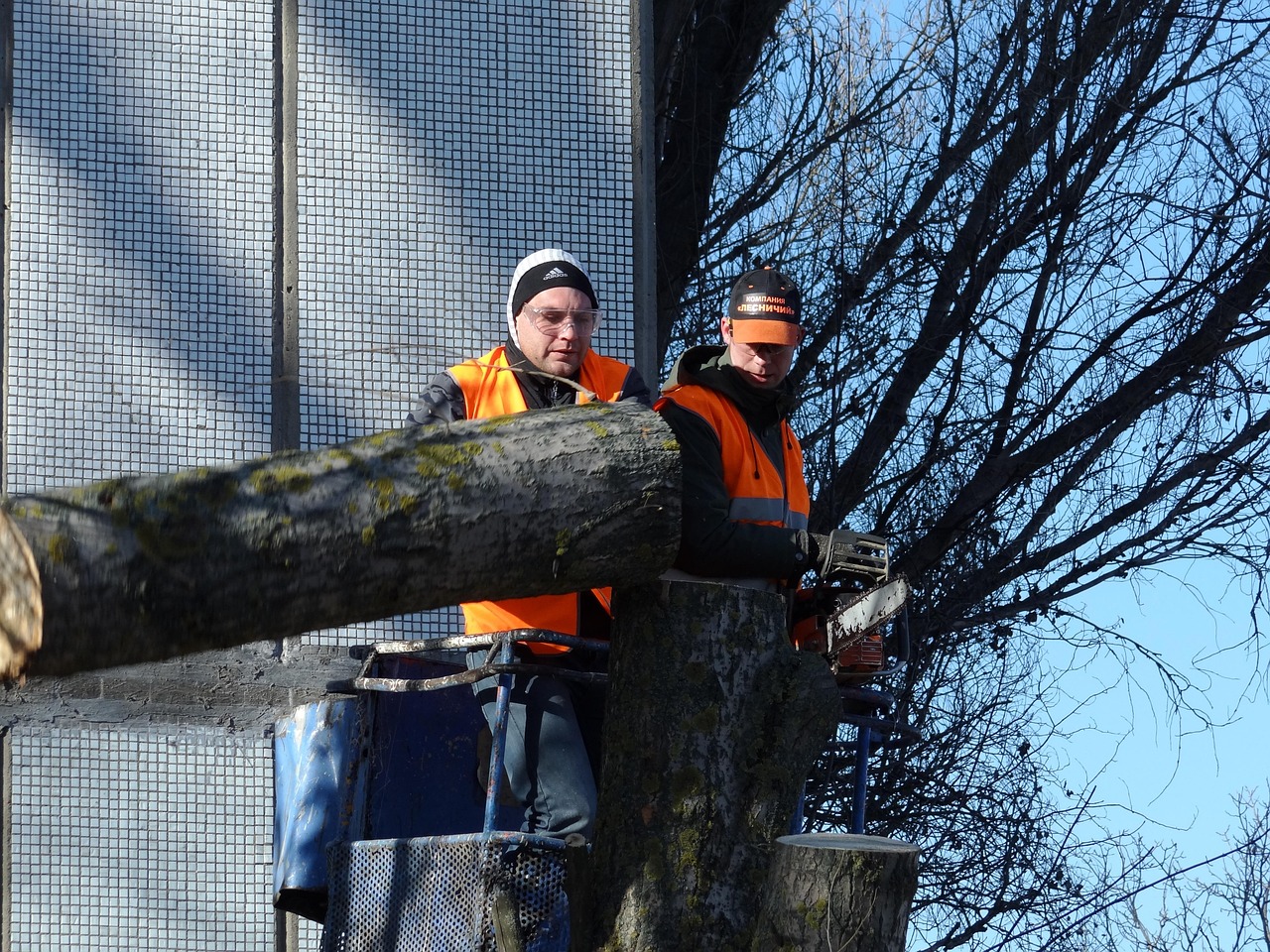
For tree preservation, the expertise of an arborist is indispensable. Services offer specialized tree surgery and arboricultural consulting that caters to a wide range of scenarios, from routine tree care to complex tree removal. Whether facing a storm damage cleanup, tree health assessment, or the need for preventive tree care, experienced arborists provide essential insights and solutions.
Arborists are trained to handle diverse tree-related challenges. They can assess a tree's risk of falling, especially in urban planning scenarios where tree removal near me is a concern. They offer expert advice on tree maintenance contracts, landscaping design, and even arborist consultation for property management, ensuring properties remain safe and aesthetically pleasing. For historic properties, arborists with specialized knowledge can guide the preservation of ancient trees while adhering to local regulations.
When facing a significant tree-related issue, consider turning to local services. Their expertise and experience ensure effective and safe solutions. After a storm, arborists can quickly assess the damage, remove hazardous trees, and provide emergency tree cutting services. They also offer long-term solutions like tree planting and landscaping services, ensuring the longevity of your outdoor space. Give us a call at arborist for urban planning to discuss how expert tree care can enhance your property's value and beauty.
Practical guide to Tree Maintenance: Longevity and Property Protection
Proper tree maintenance is not just about aesthetics; it's a crucial investment in the health, safety, and value of your property. Trees provide numerous ecological and economic benefits, from reducing soil erosion and improving air quality to enhancing curb appeal and providing shade. However, these benefits come with responsibilities. Over time, trees can become structurally unstable, susceptible to pests and diseases, or simply outgrow their space. This is where expert services come into play, offering a range of specialized treatments and techniques to ensure your trees thrive and remain a valuable asset.
Regular maintenance, including pruning, fertilizing, and deep watering, is essential for tree longevity. Pruning removes dead or diseased branches, allowing better air and sunlight penetration to the tree's crown. This not only enhances the tree's overall health but also prevents potential hazards like falling limbs, a concern especially in areas prone to storms or high winds. When done incorrectly, pruning can cause more harm than good. That's why it's recommended to consult with a certified arborist, who can assess the tree's needs and employ the most effective and safe pruning techniques, ensuring the tree's structural integrity and promoting new growth.
In the context of residential arbor care, regular maintenance plans can help prevent costly and devastating tree removal services later on. By addressing issues early, arborists for environmental impact can help property owners avoid the loss of valuable trees and the associated property value they bring. An arborist can provide expert advice on tree planting, selecting species suited to your locale and ensuring proper placement for optimal growth and minimal future disruptions, such as during construction or landscaping projects. For commercial tree services, regular maintenance is equally crucial. Well-maintained trees can enhance the aesthetics of business properties, improve employee morale, and contribute to a positive brand image. Give us a call at commercial tree services to discuss a tailored maintenance plan that aligns with your business goals and environmental considerations.
Frequently Asked Questions About Tree Preservation A Practical guide
What is tree preservation and why is it important?
Tree preservation is the practice of protecting and maintaining existing trees during development, construction, or other land-use changes. It's crucial for several reasons. Firstly, trees provide ecological benefits like air purification, carbon sequestration, and habitat provision for wildlife. They also offer economic advantages, such as reducing noise pollution, mitigating urban heat islands, and enhancing property values. Preserving trees helps maintain the natural beauty of landscapes and contributes to a sustainable and resilient urban environment.
What are some common reasons for tree preservation?
Tree preservation is often necessary for several reasons. In urban areas, it's crucial to maintain a healthy urban forest, which improves air quality, reduces flooding by absorbing rainwater, and provides shade, enhancing the livability of cities. During construction projects, preserving trees can minimize environmental disruption, reduce erosion, and preserve biodiversity. In historic or culturally significant areas, tree preservation ensures the retention of heritage and character.
How does tree preservation benefit property owners?
For property owners, tree preservation offers several advantages. Mature trees can significantly increase property values due to their aesthetic appeal, shade benefits, and reduced energy costs (as they can lower cooling expenses). Trees also provide privacy, act as natural sound barriers, and enhance outdoor living spaces, making properties more desirable. Many jurisdictions offer tax incentives for property owners who preserve or plant trees, further encouraging responsible arboricultural practices.
What types of tree preservation techniques are available?
Tree preservation techniques vary depending on the situation. Some common methods include:
-
Selective Cutting: Removing only specific trees while preserving the rest of the canopy.
-
Crane Operations: Using specialized cranes to safely lower or remove large trees in confined spaces.
-
Root Protection: Protecting tree roots during construction activities to prevent damage and ensure the tree's health.
-
Buffer Zones: Establishing protected areas around trees to limit construction activities and minimize disturbance.
-
Transplanting: Moving trees to new locations, often used for trees that interfere with development plans.
How do I know if a tree is at risk and needs preservation?
Determining if a tree needs preservation requires a professional assessment by an arborist. They consider factors such as the tree's health, size, species, location, and potential conflicts with development plans. An arborist can conduct a tree risk evaluation to identify hazards and recommend appropriate preservation strategies. Regular tree health assessments are crucial for early detection of issues that may require preservation measures.
What is the role of a professional arborist in tree preservation?
Professional arborists play a vital role in tree preservation by offering specialized knowledge and expertise. They can assess tree health, provide recommendations for preservation, develop management plans, and safely execute preservation techniques. Arborists also educate property owners and stakeholders about the importance of tree preservation and help navigate any legal or regulatory requirements. Engaging a certified arborist ensures responsible and effective tree preservation practices.
Tree preservation is a multifaceted discipline that combines scientific understanding, safety protocols, and expert care to ensure the longevity and health of our urban forests. By integrating the practices outlined in this practical guide, from understanding tree preservation's essential roles to leveraging the specialized services of arborist professionals, property owners and managers can significantly contribute to the well-being of their green spaces. The article has emphasized the critical need for regular tree maintenance, highlighting the diverse services available through arborist care, including pruning, planting, and emergency response.
Moving forward, adopting a proactive approach to tree preservation is not only an investment in the aesthetics and value of properties but also a responsible step towards mitigating environmental risks and promoting sustainable urban development. Whether through self-directed learning, engaging local services, or participating in community tree care initiatives, everyone can play a vital role in preserving and nurturing the trees that enhance our urban environments.
Tree Preservation: Essential Practices & the Role of Services
Tree preservation involves a holistic approach to maintaining tree health, safety, and aesthetics while aligning with development. Services, adhering to industry standards from ISA and OSHA, play a vital role. They offer multi-faceted solutions, from residential landscaping design to complex tree removal, ensuring structural integrity and environmental protection. Arborists provide expert care for storm damage, preventive tree health, and urban planning, fostering a thriving urban forest while safeguarding properties and communities.
Comprehensive Tree Maintenance: Longevity & Property Protection
Regular maintenance, including pruning, fertilizing, and deep watering, is crucial for tree health and property value. Services offer specialized techniques for safe pruning, disease prevention, and tree planting to enhance aesthetics and minimize future disruptions. Commercial properties benefit from well-maintained trees, contributing to brand image and employee morale. Regular maintenance plans prevent costly tree removal and protect environmental impacts.